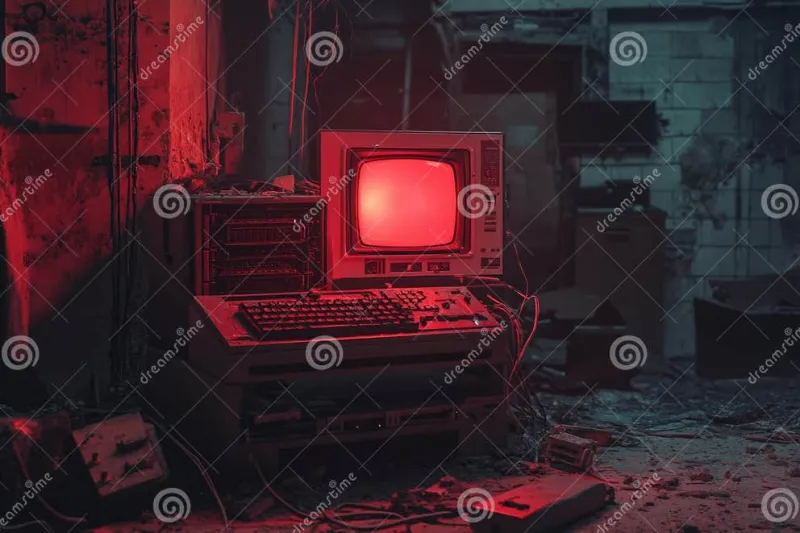
Static Worship: The People Hunting Dead Frequencies for Clues About Who We Used to Be
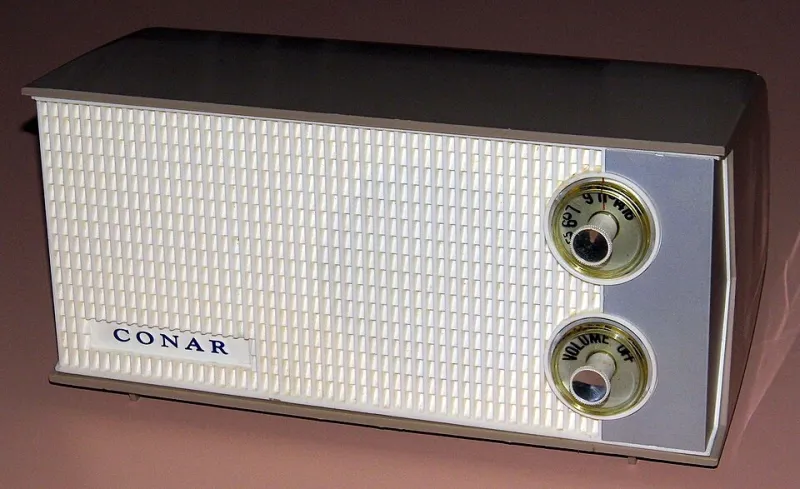
Photo: Joe Haupt from USA, CC BY-SA 2.0, via Wikimedia Commons
There's a recording floating around certain corners of the internet — a few minutes of audio lifted from a dead AM station somewhere in rural Ohio. The DJ's voice keeps cutting in and out. A jingle for a car dealership that closed in 1994 loops twice before dissolving into hiss. Nobody knows exactly where it came from. Nobody can verify the date. And yet the file has been downloaded thousands of times, remixed into ambient tracks, and sampled in at least three SoundCloud projects from producers who weren't alive when the station went dark.
This is what signal archaeology looks like in 2024. And it's becoming a whole thing.
The Archive Nobody Asked For
Let's be clear about what we're talking about here. This isn't vintage radio enthusiasts in khakis preserving history for posterity. The communities doing this work — scattered across Discord servers, Reddit threads, and obscure forums that feel like they were designed to be hard to find — are less interested in documentation than in experience. They want the degradation. They want the gaps. A clean, fully restored broadcast is actually less valuable to them than one riddled with interference, dropout, and artifacts.
The terminology they use is telling. People in these spaces talk about "ghost frequencies" — signals that technically no longer exist but whose remnants can still be captured under the right atmospheric conditions. They discuss the "texture" of different eras of compression, the way a 1980s FM broadcast sounds fundamentally different from one recorded in 1997, and how that difference carries emotional weight that's almost impossible to articulate but immediately felt.
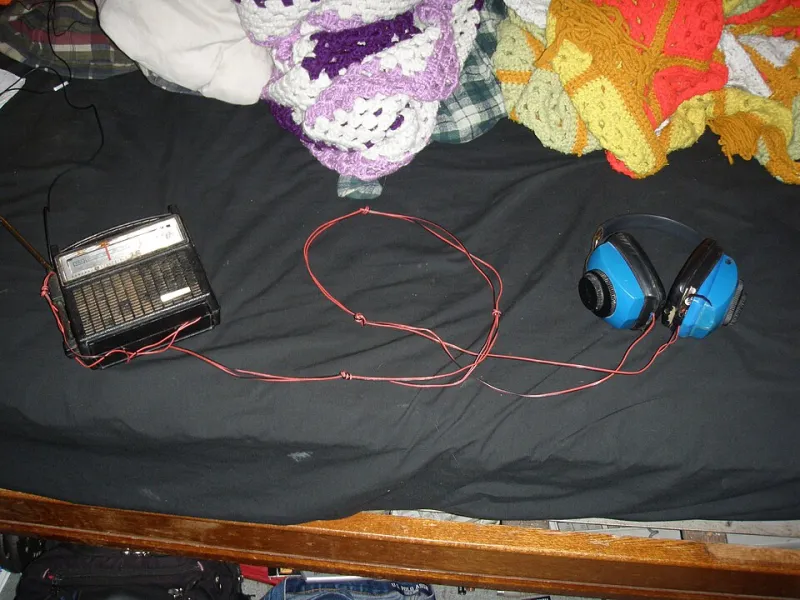
Some of this material gets sourced from old cassette tapes recorded off the radio. Some comes from shortwave hobbyists who've been logging signals for decades. A surprising amount originates from pirate radio archives — stations that operated illegally out of apartment buildings in Chicago, New York, and LA, broadcasting for weeks or months before getting shut down by the FCC and leaving behind nothing but a few recordings and a lot of mythology.
Why the Noise Hits Different
Here's the thing that's genuinely interesting about this phenomenon: the people most obsessed with degraded audio are largely people who didn't grow up with it as their primary media diet. Gen Z listeners in particular seem drawn to signal noise the way previous generations were drawn to vinyl crackle — not because it's familiar, but because it signals authenticity in a media landscape that increasingly feels engineered to the point of sterility.
When everything streams at perfect quality, when every podcast is produced with studio-level clarity, when the algorithm surfaces content so precisely tailored to your preferences that surprise becomes almost structurally impossible — static starts to feel like proof that something real happened. The dropout in an old pirate broadcast is evidence of a specific moment, a specific place, a signal traveling through actual air to an actual antenna. You can't fake that in post.
There's also an anxiety buried in this obsession that's worth naming. We live in an era of unprecedented media oversaturation, and simultaneously, an era of profound uncertainty about what actually gets preserved. Tweets vanish. Platforms die. Entire archives of early internet culture disappear when a company shuts down its servers. The people collecting dead radio signals are, in some sense, rehearsing a grief they already feel about the present — practicing for the moment when today's digital landscape becomes tomorrow's ghost frequency.
Remixing the Ruins
What makes this more than just nostalgia tourism is what these communities are building with what they find. The remix culture around degraded audio has produced some genuinely striking work. Producers are layering fragments of dead broadcasts over contemporary beats, creating music that feels temporally unstable in a way that's hard to shake. Visual artists are pairing the audio with VHS footage, analog photography, and deliberately corrupted image files. Some creators are building entire fictional worlds around invented radio stations — writing lore for stations that never existed, complete with fake program schedules and fabricated listener call-in recordings.
This last category is particularly Pecigie-coded, honestly. There's something very signal from the static about constructing an elaborate fiction around a dead frequency. It's not deception exactly — the people doing it are upfront that it's invented — but it's also not quite fiction in any traditional sense. It exists in the same uncanny space as the original material it's inspired by: real enough to feel like it happened, incomplete enough that you can't be sure.
What the Dead Air Knows
If you spend enough time in these communities, a pattern emerges. The people most drawn to phantom frequencies aren't, for the most part, people with direct nostalgic connections to the source material. They're people who feel like they might be the thing that doesn't get preserved. Gen Z especially has grown up watching platforms rise and collapse, watching parasocial relationships dissolve when accounts get banned, watching entire subcultures evaporate overnight. The dead radio signal is, in a weird way, a comfort — proof that something can persist even after the infrastructure that made it possible has completely fallen apart.
The hiss and crackle aren't flaws to be corrected. They're evidence. And right now, evidence feels like the rarest thing in the world.