The Reviewers Who Never Pressed Play: Inside a Forum for Unseen Cinema
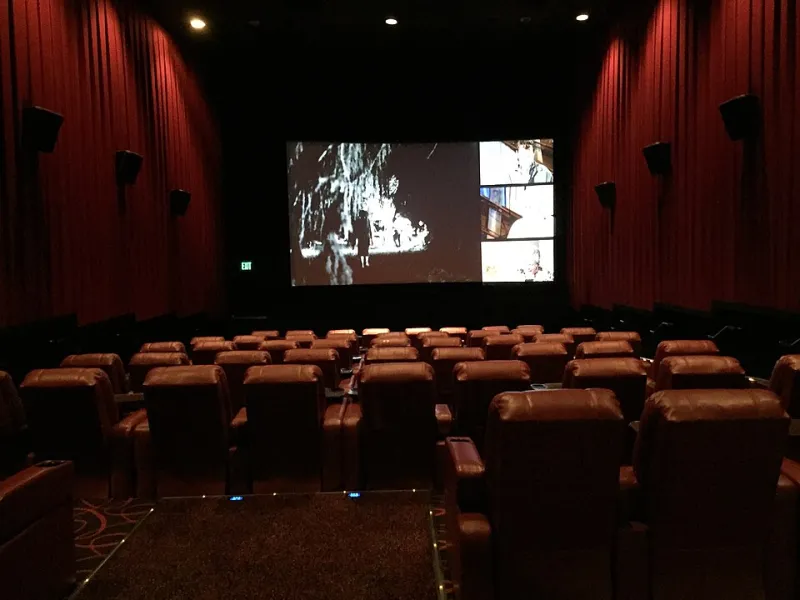
Photo: Famartin, CC BY-SA 4.0, via Wikimedia Commons
The forum is not hard to find if you know what you are looking for. It has the usual furniture of a niche message board: a plain blue header, a rules page nobody reads, and a subforum called Recent Releases where the newest thread is titled Finally Watched the Trailer for That New A24 Thing and I Have Thoughts. The catch is in the next line. Nobody in the thread has watched the movie. They have watched the trailer, read the plot summary, looked at six screenshots, and maybe listened to a spoiler-free review on YouTube. That is enough. They are ready to review it.
This is the strange world of unseen cinema criticism, a small but stubborn corner of the internet where people write detailed, often thoughtful reviews of films they have not seen. The practice sounds like a stunt, or a joke, or the inevitable endpoint of a culture that has confused discourse with experience. But spend a week reading the threads and a different picture emerges. These are not trolls. They are film lovers, or people who want to be film lovers, working with the materials they have. And they are asking a question that the rest of us would rather not answer: how much of modern entertainment criticism is already secondhand?
A Screening Room Made of Trailers
The forum, which members refer to simply as the Unseen Cut, began as a quarantine project in the late 2010s. A group of friends who met in a comments section started challenging each other to write reviews of movies they had no intention of seeing. The rules were simple. You had to disclose your sources. You had to avoid pretending you had seen the film. You had to engage with the material honestly, even if the material was a two-minute trailer and a Wikipedia plot summary. What started as a game became a habit. Now the forum has a few thousand members, a rating system, and an annual awards thread where people vote on the best review of a film nobody watched.
The reviews themselves are a genre unto themselves. Some are short and impressionistic: a paragraph about the color grading, a guess at the ending, a joke about the lead actor's hair. Others are long and weirdly moving. One member, who posts as RewindGhost, wrote three thousand words about a family drama they had only experienced through a trailer and a series of stills. The review was not about the plot. It was about the way the trailer used silence, the way the child actor looked at the door, the way the poster promised a sadness the reviewer had been craving all year. It was, in its own way, a real piece of criticism. It just was not about the movie.
The Ethics of Judging a Movie You Have Not Met
The forum is aware of the obvious objection. Reviewing a film you have not seen is not criticism. It is speculation. It is vibe-checking a trailer and calling it a take. Members argue about this constantly. Some say the practice is harmless as long as you label it clearly. Others say it is a symptom of a culture that has stopped valuing actual attention. A few have left the forum over it. The moderators have tried to keep the peace by creating a separate tag for what they call speculative reviews, but the tag never quite catches on. The best threads ignore it.
The ethical questions are real, though. A review can shape whether someone else sees a film. A bad review of an unseen movie can still contribute to a narrative about a director or an actor. The forum tries to mitigate this by requiring disclosure in the first line, but disclosure does not erase the effect. What the members have realized, slowly, is that the line between reviewing a film and reviewing the idea of a film is thinner than it looks. Most people who talk about movies online have not seen the movie. They have seen the trailer, the discourse, the hot take, the screenshot. The Unseen Cut just makes that visible.
Criticism Was Always Secondhand
That is the uncomfortable insight at the heart of the forum. For most of the history of popular criticism, reviewers worked from screeners, press kits, and studio-provided summaries. They saw the film, yes, but they saw it in a context that was already curated. They knew what the studio wanted them to notice. They had a deadline. They had a word count. The idea of the pure, unmediated viewer is mostly a myth. The Unseen Cut takes the next logical step: if criticism is always shaped by the materials you are given, what happens when the materials are all you have?
The answer, surprisingly, is that the reviews are not much worse than the average letterboxd entry. They are more honest about their limitations. They are less likely to pretend that a two-hour experience has been fully processed. They are often funnier. A review of an unseen superhero movie that consists entirely of guessing which character will say the title line is not useful, but it is at least aware of its own absurdity. The forum has turned the weakness of secondhand criticism into a kind of game, and the game has rules that most professional criticism abandoned years ago.
Why the Vibe Review Works
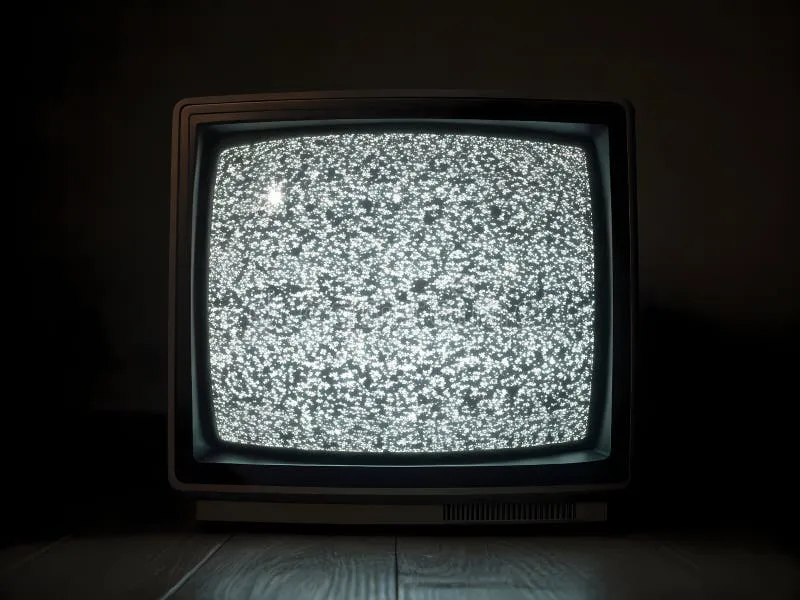
The pleasure of the Unseen Cut is not the pleasure of being right about a movie. It is the pleasure of imagining one. A trailer is a promise. A plot summary is a skeleton. A screenshot is a mood. The members fill in the gaps with their own histories, their own desires, their own ideas about what a movie should be. The reviews are less about the film than about the reviewer's relationship to the film's absence. That is a very Pecigie kind of pleasure: the pleasure of the static between stations, the half-formed signal, the thing you almost saw.
Some of the reviews are archived outside the forum. A few have been collected into zines. One member made a short film composed entirely of imagined scenes from a movie that does not exist. The forum is small, and it is easy to dismiss, but it has found a way to talk about art that does not require access to the art itself. In a media landscape where everything is available and nothing feels seen, that is not nothing. It is a weird, earnest, slightly ridiculous experiment in paying attention to what is not there. And it is more honest than a lot of the criticism that pretends otherwise.