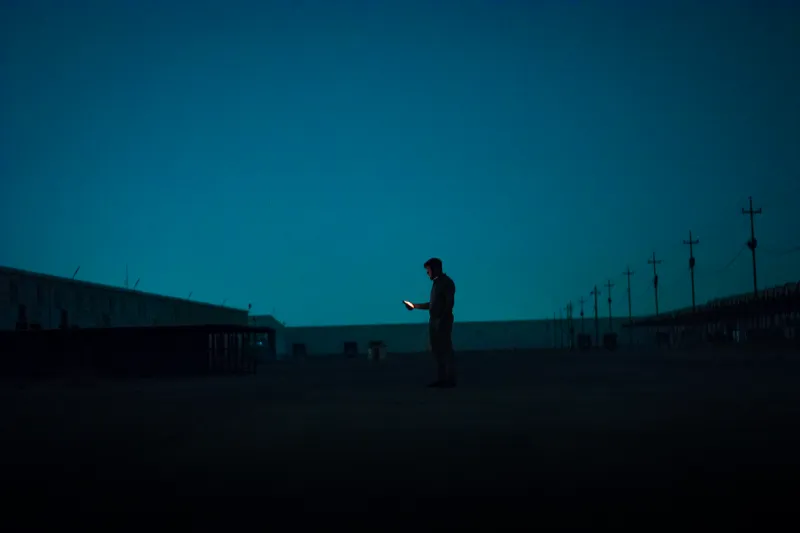
Broadcasting Into the Void: A Love Letter to TV Stations Nobody Watches

At 2:47 a.m. in a town of 4,000 people somewhere in the Nebraska panhandle, a television station is on the air. It is broadcasting a rerun of a quilting program from 2011. The estimated audience is three people, one of whom is asleep.
The station has no plans to stop.
The Economics of Not Caring
Here's the beautiful math of small-market broadcast: running the transmitter is largely a fixed cost. The license requires it, the equipment exists, and the staff — often a skeleton crew of two or three people who also sell the ads and fix the tower lights — is already there. Shutting down doesn't save much. Staying on costs almost nothing extra.
So they stay on. And into the void they pour the strangest, most sincere programming in American media.
A Field Guide to the After-Hours Dial
Spend a few nights channel-surfing through small-market America and you'll build a taxonomy:
The Polka Hour. Every region has one. A host in a vest, an accordion, and a pledge drive that has somehow run continuously since 1988. The audience is measured in dozens and treated like millions.
The Church That Never Ends. Not the slick megachurch broadcasts — the ones shot with one camera in a sanctuary that seats 60, where the pastor waves at the camera like he's waving at a neighbor's porch.
Swap Shop Live. A local institution in parts of the South and Midwest: viewers call in on a landline to sell a lawnmower, a litter of puppies, a used transmission. It is QVC, Craigslist, and a party line all at once, and it is genuinely great television.
The Rerun Abyss. City council meetings from 2019. High school football from whenever. A cooking segment where the stove doesn't work and the host powers through anyway.
Entertainment as Inertia
There's a temptation to frame all this as sad — a dying medium's last gasp. But spend any actual time with these stations and a different feeling emerges. This isn't failure. It's persistence.
Nobody at these stations is chasing ratings or algorithmic reach. They're doing a job, serving a community that may or may not still be watching, and keeping a signal alive because keeping it alive is what the station does. There's something almost meditative about it. Entertainment with no ambition whatsoever. Content that exists purely because the transmitter is warm and the schedule says so.
In an era where every piece of media is optimized, A/B tested, and engagement-farmed, there's something almost rebellious about a program that nobody measured and nobody missed and nobody turned off.
The Last Night of the World Broadcast
These stations won't last forever. Transmitter costs creep up, owners age out, big broadcasting groups buy the licenses and convert them to automated national feeds. Every year, a few more local signals go dark and get replaced by the same syndicated ghost-content airing in ten thousand towns at once.
So catch it while you can. Drive through somewhere rural, flip past the network affiliates, and find the channel with the accordion player and the grainy camera. Someone is behind that signal, running it because the schedule says so and because a few people down the road might be watching.
That's not pointlessness. That's devotion, running on a transmitter nobody bothered to unplug.