Micro-Famous and Loving It: How Niche Obsessions Ate the Entertainment Industry
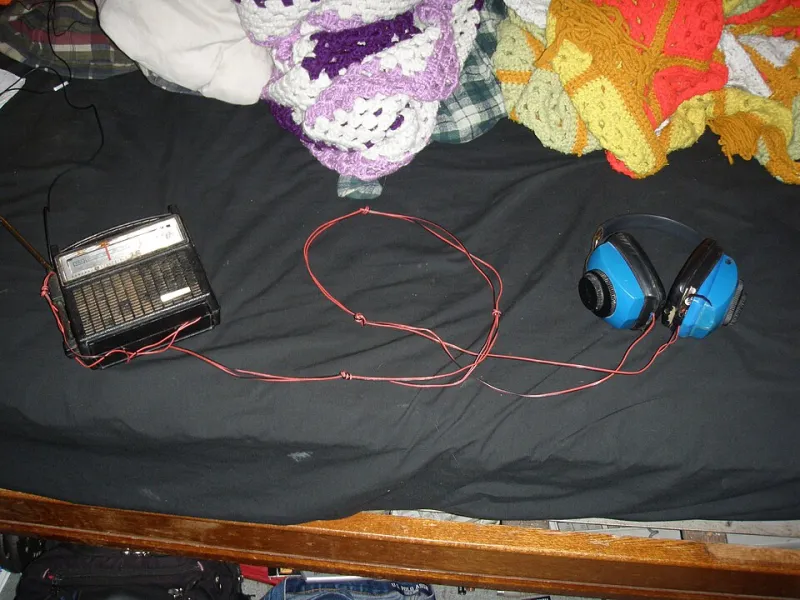
Photo: B137, CC0, via Wikimedia Commons
Somewhere right now, a guy with 38,000 YouTube subscribers is uploading a two-hour video essay about a racing video game released in 2003 that sold poorly in North America and was never ported to any subsequent console. His comment section is going to be extremely active. His Patreon is going to hit its monthly goal. And approximately no one outside his specific audience will ever know this video exists.
This is not a failure state. This is the whole point.
The Collapse of the Monoculture (And What Filled the Hole)
For most of the twentieth century, American entertainment operated on a relatively legible model: a small number of gatekeepers — networks, studios, labels, publishers — decided what got made and distributed, and audiences either engaged or didn't. The cultural conversation was shaped by scarcity. When there were only three major TV networks, everyone watched the same things, and the same things became the reference points that held a culture together.
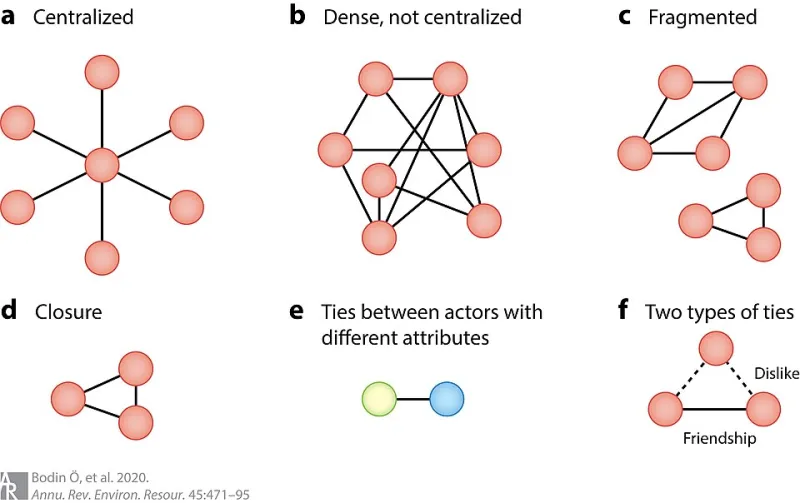
The internet didn't just add more options. It fundamentally restructured how attention works. Algorithmic recommendation systems, designed to maximize engagement by surfacing content most precisely matched to a user's demonstrated preferences, have been quietly sorting the American audience into increasingly specific micro-communities for the better part of two decades. The result is a media landscape that looks less like a shared living room and more like an apartment building where everyone has their own TV and nobody shares walls.
What's interesting — and what the entertainment industry is still genuinely struggling to process — is that this fragmentation hasn't produced apathy. It's produced the opposite. The audiences that form around niche content are frequently more engaged, more loyal, and more financially supportive than the diffuse mass audiences that used to sustain network television. A channel with 50,000 subscribers devoted to obscure horror soundtracks can generate more direct revenue from its audience than a cable access show with ten times the viewership ever could.
The Discord-ification of Fandom
The platform that best illustrates this shift isn't YouTube or Twitch — it's Discord. Originally built for gaming communities, Discord has become the de facto infrastructure for niche cultural obsession at scale. There are servers dedicated to analyzing the unreleased filmography of directors who never got their projects greenlit. Servers where people collaboratively restore and discuss forgotten shareware games from the early 1990s. Servers devoted entirely to a single obscure band that broke up in 2009 and released one EP.
What happens in these spaces is genuinely different from the kind of fan engagement that existed before. The community isn't organized around passive consumption — it's organized around production. Members write wiki articles, record video essays, create fan edits, run oral history projects, and collectively develop interpretive frameworks for their subject matter that can be surprisingly sophisticated. The line between fan and scholar blurs pretty fast when you're dealing with people who've spent three years thinking about nothing else.
This is where the technology angle gets genuinely interesting from an Art & Tech perspective. The tools that enable this kind of micro-community — Discord's server architecture, YouTube's long-tail content model, Patreon's direct monetization infrastructure, the way Reddit allows for extremely granular community formation — weren't designed with niche cultural obsession in mind. They were designed to maximize engagement and revenue. The niche communities emerged as a kind of unintended consequence, exploiting the same algorithmic dynamics that were supposed to be pushing everyone toward the same viral content.
Going Viral Without Going Mainstream
One of the stranger developments in contemporary media is the emergence of what you might call vertical virality — content that spreads explosively within a specific community without ever breaking into mainstream visibility. A video essay about a forgotten PlayStation 2 game can rack up a million views from a highly specific demographic while never appearing on anyone's trending page. A Discord server can grow from 200 to 20,000 members in a week through word-of-mouth within a niche, invisible to anyone outside that niche.
This decoupling of virality from mainstream visibility has real implications for how we think about cultural influence. The traditional model assumed that influence flowed downward from mass media to audiences. But when micro-communities are doing their own deep-dive research, developing their own critical vocabularies, and building their own internal canons, influence starts moving in much more complicated directions. The aesthetic sensibilities developed in a 4,000-person Discord server about analog synthesizers can end up shaping the sound of major label releases, with no visible chain of causation connecting the two.
Liberation or a Very Comfortable Trap?
Here's the question worth sitting with: is this good? The optimistic read is obvious — people are finding genuine communities, developing genuine expertise, and building genuine relationships around things they actually care about rather than things the monoculture told them to care about. The fragmentation of media has, in this reading, been a form of liberation.
The less comfortable read is that algorithmic micro-targeting is also, functionally, a very efficient way to keep people inside increasingly small boxes. When the recommendation engine gets good enough at predicting what you'll engage with, discovery — real discovery, the kind that changes who you are — becomes structurally harder. You get more of what you already like, delivered with increasing precision, in a community of people who already agree with you about why it's worth liking.
The niche obsession communities themselves are aware of this tension, often explicitly. There's a recurring conversation in many of these spaces about what it means to be deeply invested in something that the broader culture has forgotten or ignored — whether that investment is an act of preservation or a form of retreat.
Maybe it's both. Maybe the most honest thing to say is that the attention vacuum doesn't have a clean ideological valence. It's just what happens when the infrastructure of entertainment gets granular enough to serve every possible frequency simultaneously — including the ones nobody else is listening to.